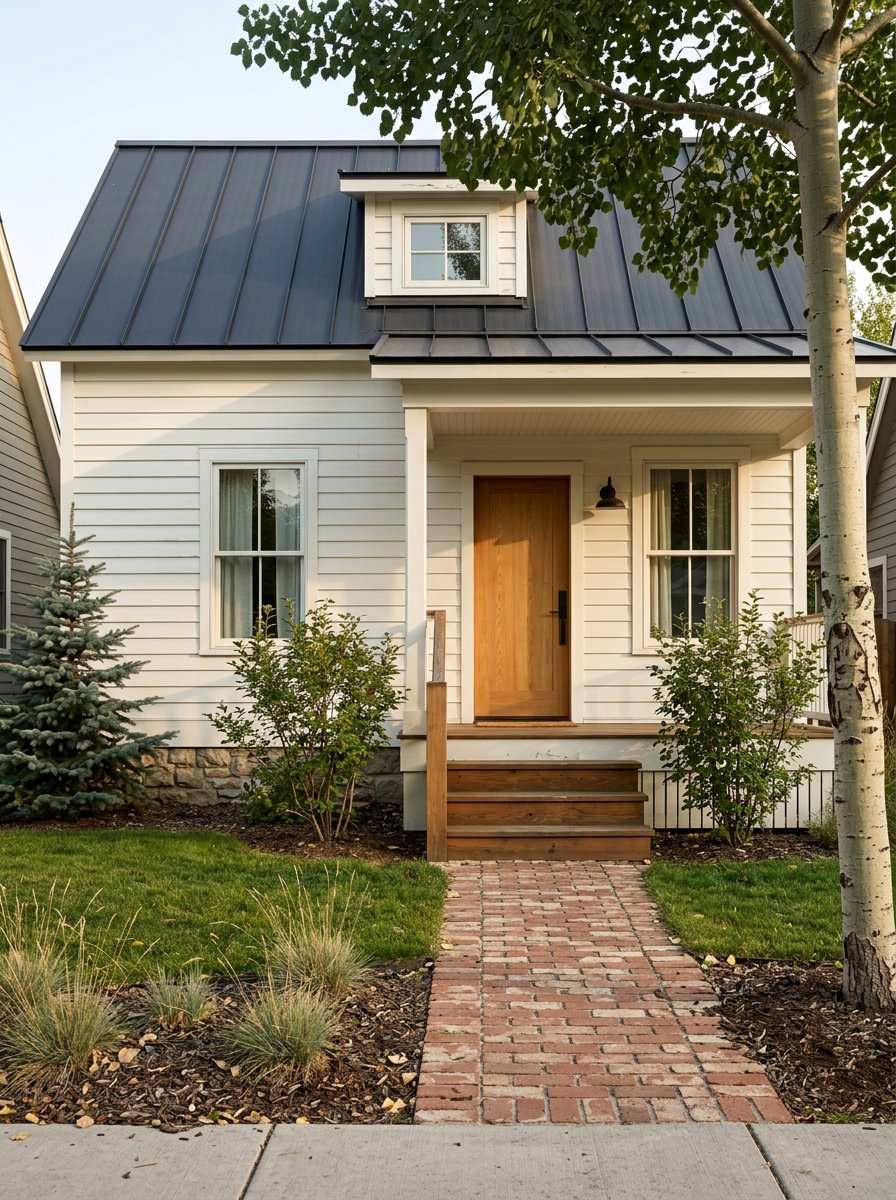
Picture yourself stepping out your front door and strolling to Main Street for coffee before catching the Town Lift for first tracks. If a miners’ cottage or cross‑wing home in Old Town has your heart, you are not alone. These homes deliver character and a walk‑everywhere lifestyle, but they also come with unique rules, inspections, and renovation steps. In this guide, you’ll learn what to check, how Old Town’s historic review works, where short‑term rentals fit, and which incentives can help with costs. Let’s dive in.
Why Old Town appeals
Old Town is Park City’s historic core, known for its mining‑era cottages, narrow lots, and compact blocks around Main Street. The city counts more than 400 historic sites, and Old Town includes two National Register historic districts with distinctive residential architecture. You’ll see hall‑and‑parlor forms, cross‑wing homes, and false‑front commercial buildings that create the area’s signature streetscapes.
You get a high‑walkability lifestyle near dining, galleries, festivals, and the lifts. That convenience also means you should expect seasonal activity and limited parking on narrow streets. Steep grades and small lots shape what you can build, where you can park, and how you plan additions.
Rules that shape changes
Buying a historic home here means working within Park City’s design standards and review process. The city’s illustrated Design Guidelines for Historic Districts & Historic Sites explain what is acceptable for siding, windows, porches, roofs, and additions. They also outline driveway width and preferred parking placement on narrow Old Town lots.
Most exterior changes visible from the street will trigger Historic District Design Review (HDDR). The Planning Department’s HDDR process page details submittal steps, staff roles, and when the Historic Preservation Board gets involved. Interior changes usually are not regulated unless they affect the exterior or involve a preservation covenant.
Zoning also matters. The Land Management Code divides Old Town into historic residential and commercial subzones. In HR‑2, for example, residential use is allowed and Nightly Rental is listed as an allowed use, subject to licensing. Always confirm the exact subzone for your parcel in the HR‑2 LMC chapter and talk to Planning early.
Short‑term rentals basics
If you plan to operate a short‑term rental, you must confirm zoning allows it and then obtain a Nightly Rental License. Park City requires a license and a building inspection before offering stays under 30 days. Review the city’s steps and code references on the Nightly Rental License page.
Policies and enforcement can change. Before relying on rental income projections, verify current licensing rules, any registration deadlines, and operational requirements for noise, trash, and parking with the City.
Research the property
Good due diligence protects your renovation timeline and budget. Start with these sources and records.
Public records and permits
- Pull ownership, assessed value, tax history, and recorded documents in Summit County’s property and tax portal. Retrieve the deed, legal description, and any easements or plats.
- Ask Park City’s Building and Planning departments for the property’s permit history and any prior HDDR files or approvals. Confirm whether the site is on the Historic Sites Inventory and if a preservation easement exists.
Historical research
- Visit the Park City Museum Research Library for Sanborn fire insurance maps, historic photographs, and National Register forms that can help you date the house and understand past changes.
Title and survey
- Order a preliminary title report to identify easements, covenants, and rights‑of‑way that can limit additions or access.
- Because lots are narrow and block layouts can be irregular, consider a current boundary or ALTA/NSPS survey before planning additions or garage placement.
Inspections that matter
Older, high‑elevation homes have predictable issues. Line up inspectors with historic experience and add specialists as needed.
Structure and site
- Foundation and settlement. Many mining‑era homes sit on stone or pier foundations. Look for uneven floors, stair separation, or cracks. Bring a structural engineer if you see movement or plan an addition.
- Roof framing, age, and snow loads. Mountain snow and drifting can stress older roofs. If you plan to reframe or finish an attic, verify design snow load against Utah’s adopted building rules and have an engineer review existing framing.
- Drainage and retaining walls. Poor grading and water intrusion have caused deterioration in some older homes. Inspect downspouts, grading, and retaining structures for signs of distress.
Systems check
- Electrical. Watch for knob‑and‑tube or aluminum wiring, undersized service, or overloaded panels. Full replacement is common in older homes and affects safety and insurance.
- Plumbing and sewer lateral. Check for galvanized supply, cast‑iron drains, and plan a sewer camera inspection. Replacing older laterals can become a project‑critical cost.
- Heating, ventilation, and insulation. Expect patchwork systems and limited insulation. Budget for modern HVAC and make room for code‑required ventilation and CO alarms.
Environmental testing
- Lead‑based paint. Most pre‑1978 homes fall under federal disclosure and renovation rules. Learn what applies and use certified contractors. See the EPA’s guidance on lead‑based paint laws and safe work practices.
- Asbestos. Materials like old flooring, roofing shingles, and pipe wrap may contain asbestos. Testing and proper abatement are required before disturbance.
- Radon. Summit County Health recommends testing and mitigation if levels exceed the action threshold. Review local guidance and low‑cost kits through the Summit County Health radon program.
Local hazards
- Wildfire and defensible space. Homes near steep or vegetated slopes may face special mitigation steps and insurance considerations.
- Landslide and steep slopes. On steeper sites, a geotechnical review is smart if you see movement or plan excavation.
- Seismic. The Wasatch region has notable earthquake risk. Older foundations and masonry chimneys may need retrofit.
Plan your renovation
A clear plan reduces surprises and keeps your schedule realistic.
Approvals and timing
- Contact Planning early. Ask for a pre‑application conversation to confirm whether your scope triggers HDDR, what scale and massing rules apply, and how the city will view your design intent. Start with the city’s HDDR process guidance.
- Sequence tax credits before work. If you want incentives, plan your documentation and approvals before construction.
Costs and incentives
- Common cost drivers include foundation stabilization, roof replacement and snow‑load upgrades, full electrical and plumbing replacement, HVAC and insulation updates that respect historic fabric, and exterior porch or siding restoration.
- Professional soft costs matter. Budget for drawings, engineering, preservation consultant input, permits, and potential conditions of approval.
- Tax credits can help. The federal program offers a 20% credit for certified rehabilitation of income‑producing historic buildings; owner‑occupied homes do not qualify. Review the National Park Service process in the SHPO’s Federal Historic Tax Credit fact sheet.
- Utah’s state residential credit has historically offered a 20% tax credit for qualifying rehabilitation projects, subject to rules and approvals. See state program details summarized in Utah legislative materials and confirm current requirements with SHPO.
- Park City has periodically funded a Historic District Grant Program with matching funds. Availability and match percentages can change with Council budgets, so check current rules and timelines before you count on a grant.
Buyer checklist
Use this quick list to organize your next steps.
- Confirm zoning and uses. Verify the parcel’s subzone and whether Nightly Rental is allowed in your case. Review the applicable HR‑2 LMC chapter if you are near Upper Main, Swede Alley, or Grant Ave.
- Start with Planning. Ask about HDDR triggers and what the Design Guidelines allow for your scope. Reference the city’s HDDR process.
- Pull records. Retrieve deed, easements, plats, and tax history in Summit County’s property portal. Request city permit history and any prior HDDR approvals.
- Hire the right inspectors. Bring a general inspector experienced with older homes and add a structural engineer, electrician, plumber, HVAC contractor, and sewer camera as needed. Include radon testing and plan for lead‑safe or asbestos‑safe work if applicable.
- Line up incentives. If you plan to pursue credits, read the SHPO Federal Historic Tax Credit guide and the state credit overview in Utah legislative materials. Do not start work before required pre‑approvals.
- Secure STR approval. If short‑term rental is part of your plan, apply for the city’s Nightly Rental License and schedule the building inspection.
- Budget a contingency. Older homes can hide surprises. A 10 to 25 percent contingency is common to cover unforeseen structural or systems work.
Ready to explore historic homes in Old Town with a plan that protects your time and budget? Reach out to the veteran‑owned team that blends disciplined process with local expertise. Connect with Lipich Realty Group to start your search and map your next steps with confidence.
FAQs
What makes Old Town Park City homes “historic”?
- Old Town includes two National Register historic districts and many mining‑era houses with documented significance, materials, and forms that the city protects through design guidelines.
How does Park City’s historic review work?
- Most exterior changes visible from the street require Historic District Design Review (HDDR), where city staff and, in some cases, the Historic Preservation Board evaluate compliance with the Design Guidelines.
Are short‑term rentals allowed in Old Town?
- It depends on your parcel’s zoning; in some subzones, such as HR‑2, Nightly Rental is an allowed use with a required city license and inspection.
Can I get tax credits for renovating a historic home?
- Income‑producing historic properties may qualify for the federal 20% credit, and Utah has offered a state residential credit; both require pre‑approval and adherence to preservation standards.
What inspections are most important for older Park City homes?
- Prioritize foundation and roof framing, drainage and retaining walls, electrical and plumbing systems, sewer lateral, HVAC and insulation, plus testing for radon and potential lead‑based paint.
