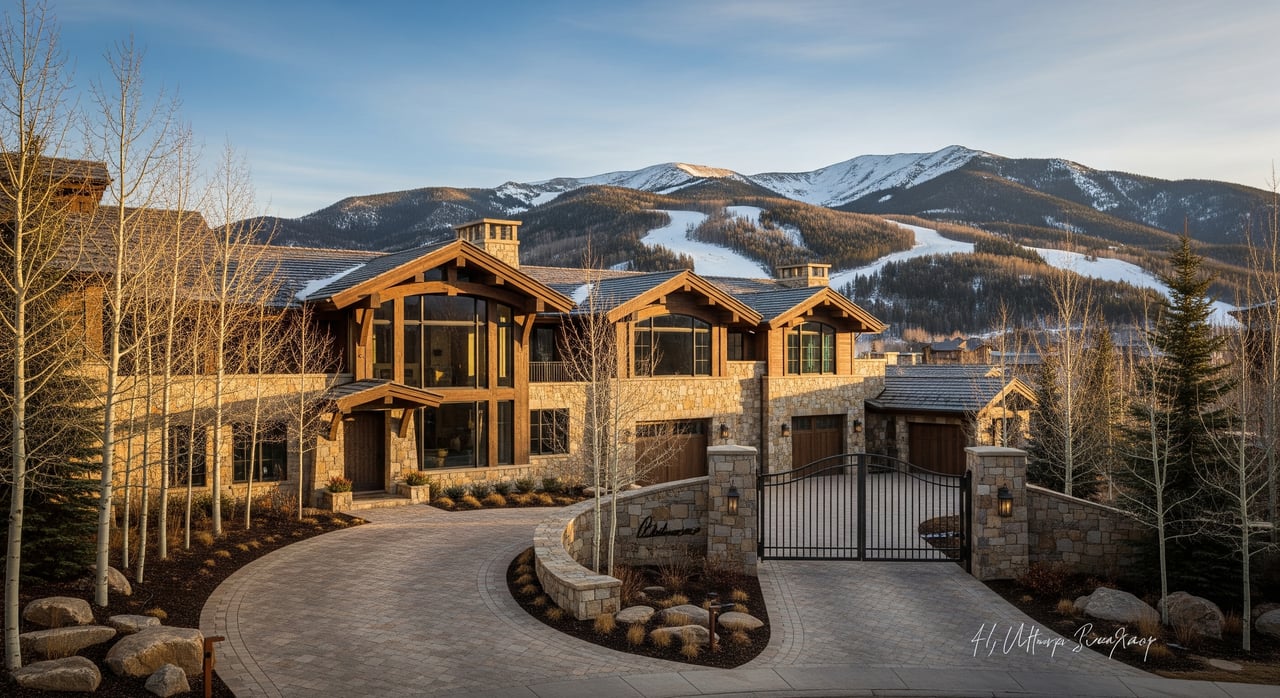
Looking at Empire Pass condos and wondering what the HOA really covers? In a high-amenity, ski-focused neighborhood, the details behind those dues matter. You want clarity on who handles transportation, snow removal, building staff, and how assessments work so you can compare buildings with confidence. This guide breaks down how HOAs are structured in Empire Pass, what dues usually include, and how to do smart due diligence before you buy. Let’s dive in.
Empire Pass HOA basics
Empire Pass communities often use a two-tier HOA structure. A master association manages neighborhood-wide services and infrastructure that benefit all owners. A sub-association manages each building or phase and the costs tied specifically to that property.
These roles are defined in recorded CC&Rs, bylaws, plats, and any inter-association agreements. When you compare buildings, start by confirming which association handles which service and how expenses are allocated to your unit.
Master vs. sub-HOAs
What the master HOA does
- Maintains and plows private community roads and walkways.
- Operates neighborhood-wide amenities and open space where applicable.
- Manages community shuttle or transportation contracts.
- Carries community-level insurance and oversees reserves for shared elements.
- Handles administrative costs like management, legal, and accounting.
What the sub-HOA handles
- Building exterior, roofs, elevators, hallways, and mechanical systems.
- On-site staff such as concierge, front desk, valet, or housekeeping if offered.
- Utilities for common areas, plus building-level amenities like ski lockers or fitness rooms.
- Building reserves and insurance for the property’s common elements.
Governance and voting
- You typically vote in your sub-association and may be represented at the master level.
- Common expenses are usually allocated by percentage interest or other recorded factors.
- Changes to covenants often require a supermajority. Always confirm amendment rules in the recorded documents.
What dues cover in Empire Pass
Dues vary by building age, staffing, amenities, and how costs are allocated. In resort settings like Empire Pass, expect higher dues given intensive winter services and premium operations.
- Master dues often cover shuttle services, private road plowing, open-space maintenance, community insurance, and administration.
- Sub-HOA dues often cover building maintenance, on-site staff, common-area utilities, building insurance, and reserves.
- Some services, such as private lockers, valet, storage, or extra parking, may be billed as optional add-ons.
Confirm whether transportation is included, how often shuttles run, and who pays for snow removal at both community and building entries. If a major amenity is run at the master level, all owners typically share the cost. If it is building-only, it is usually funded by that sub-association.
Assessments and reserves
Regular assessments fund day-to-day operations and planned capital needs. Special assessments are one-time charges for unbudgeted projects, major repairs, or when reserves fall short. Either the master or sub-HOA can levy a special assessment, depending on who is responsible for the item.
A strong reserve plan lowers the risk of special assessments. Ask for the latest reserve study and note when it was last updated. Many associations update reserve studies every 3 to 5 years. Compare the reserve balance to projected needs for roofs, paving, elevators, and mechanical systems.
Insurance basics
Both master and sub associations typically carry master policies that cover common elements. Coverage can be “bare walls” or “all-in,” which affects what the owner must insure.
- Most condo owners need an HO-6 policy for interior finishes, personal property, liability, and loss assessment coverage.
- Understand the association policy deductibles. A high deductible can lead to a special assessment to cover a large claim.
- Ask whether additional hazard coverage, such as earthquake, is carried or recommended based on the building’s risk profile.
Disclosures and timing during a purchase
You should receive a resale package or estoppel certificate that confirms the unit’s assessment status, current dues, and any pending special assessments or fines. Plan review time into your contract so you can make informed decisions.
Request and review for both the master and sub-association:
- CC&Rs, bylaws, rules and regulations
- Current budget, prior year actuals, and recent financial statements
- Reserve study and reserve balance
- Insurance certificates and deductible summaries
- Meeting minutes for at least the prior 12 to 24 months
- Service contracts for shuttle, snow removal, trash, security, and amenity management
- Litigation summaries and legal memos, if any
In Park City and Summit County, confirm short-term rental and tax requirements and check whether the HOA has additional rental rules. The seller usually orders the resale package, and turnaround times can vary, so build that into your timeline.
Compare buildings wisely
Use this checklist to compare Empire Pass options side by side:
- Dues split: what the master covers versus the sub-HOA
- Transportation specifics: routes, frequency, and who pays
- Snow removal: roads, entries, roofs, and who is responsible
- Amenities: which are community-level and which are building-level
- Allocation method: per unit, square foot, or percentage interest
- Reserve health and timing of the last reserve study
- History of special assessments and any pending projects
- Insurance scope and deductibles, plus your HO-6 needs
- Service contracts: vendor quality, contract terms, and change clauses
- Rental rules and alignment with your use plans
- Building age and known capital items like roofs or elevators
- Staffing level: concierge, valet, housekeeping
- Parking allocations and guest parking rules
- Pet policies and lifestyle rules
Value amenities and manage costs
Think in terms of total cost of ownership. Add monthly dues, likely utilities not covered by the HOA, insurance, taxes, and a realistic estimate of special assessment risk based on reserves and project plans. Then weigh that against the value of services like shuttle access, ski lockers, and on-site staff.
If a building offers robust staffing and amenities you plan to use often, a higher monthly due can still pencil out as a good fit. If you prefer a simpler ownership experience, a building with leaner services and lower dues might align better. Always read the allocation method in the CC&Rs so you know how costs scale with unit size or interest.
Red flags to watch
- Low reserves with large capital projects on the horizon
- Frequent or recent special assessments
- High owner delinquency rates
- Pending or recent litigation involving the association
- Management turnover or unbalanced budgets
- Ambiguous CC&R language about who pays for shuttle, roads, or major services
How we can help
You do not have to navigate this alone. We help you request the full resale package quickly, review budgets and reserve studies, and line up the right local professionals for insurance and closing. Our goal is to protect your timeline and your bottom line while helping you choose the Empire Pass building that fits your lifestyle.
Ready to compare buildings and get clear on dues, amenities, and long-term costs? Connect with the team at Lipich Realty Group for guidance tailored to your plans in Empire Pass.
FAQs
What is the difference between a master HOA and a sub-HOA in Empire Pass?
- The master HOA manages community-wide services like roads, shuttles, and shared amenities, while the sub-HOA handles building-specific maintenance, staffing, insurance, and reserves.
What do HOA dues usually include in Park City resort condos?
- Master dues often cover transportation, road plowing, community insurance, and administration; sub-HOA dues typically cover building maintenance, on-site staff, common utilities, and building-level amenities.
How can I find out about special assessments before I buy?
- Review the resale package or estoppel certificate along with meeting minutes and budgets from both the master and sub-HOA to see current, pending, or recent special assessments.
How often should reserve studies be updated for Empire Pass buildings?
- Many associations update reserve studies every 3 to 5 years; ask for the latest study and check the reserve balance against projected capital needs.
What insurance do I need if the HOA has a master policy?
- Most condo owners need an HO-6 policy for interior finishes, personal property, liability, and loss assessment coverage, and should confirm association deductibles and policy scope.
Who clears snow in winter for Empire Pass properties?
- The master HOA typically plows private community roads and walkways, while the sub-HOA usually covers building entries, roofs, and related snow management tasks.
How are HOA dues allocated among units in Empire Pass?
- Costs are commonly allocated by percentage interest, square footage, or per-unit factors recorded in the CC&Rs; verify the exact method for both the master and sub-HOA before you buy.
